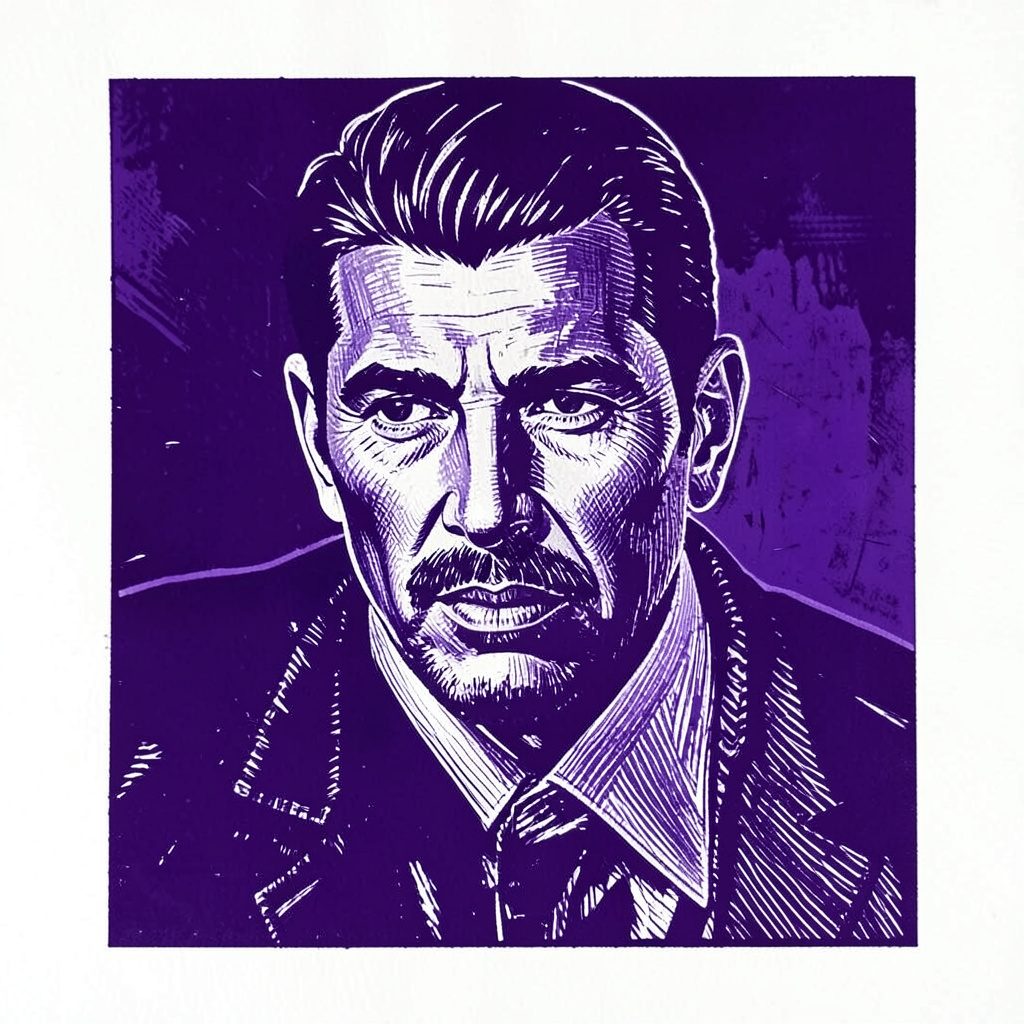
Interview with Dan Lees
A conversation with comedian, clown, and co-founder of the London Clown Festival, Dan Lees, on making work you believe in.
Read the interviewArticles, interviews and updates from the London comedy world — covering improv philosophy, creativity, and the people behind the laughs.
A conversation with comedian, clown, and co-founder of the London Clown Festival, Dan Lees, on making work you believe in.
Read the interview
A look at how improvisers approach mistakes, risk, and the freedom that comes from not needing to be right.
Notes on curiosity, playfulness, and why the "wrong" question can be the most useful one in a creative room.
Alongside interviews, the blog tracks broader conversations in London's comedy and improv scene — from festival happenings to reflections on wellbeing and how creativity intersects with everyday psychology. Posts have touched on both stage craft and the mindset behind it.
Recent entries include reflections published in July 2016 exploring improv's relationship with failure, and pieces on staying curious as a creative practice.
At the School of Laughter, we believe that comedy is a craft anyone can learn. Our training programmes in London are designed to help you find your unique voice, whether you are a complete beginner or an experienced performer looking to refine your skills. Through structured exercises, playful experimentation, and supportive feedback, students discover that humour is not just about telling jokes—it is about connection, timing, and seeing the world from a slightly tilted angle. Every session is built around the idea that learning with laughter creates lasting, meaningful growth, both on stage and in everyday life.
Improvisation teaches us something profound about how we handle uncertainty. When performers step onto the stage without a script, they are committing to the unknown and trusting that something worthwhile will emerge from the chaos. This mindset translates beautifully beyond comedy: it encourages us to say yes to unexpected opportunities, to embrace mistakes as creative fuel, and to listen more deeply to the people around us. The philosophy of improv is not about getting it right every time—it is about staying present, staying curious, and discovering that failure often leads to the funniest and most human moments.
Creativity flourishes when we give ourselves permission to ask stupid questions. Too often, we censor our own curiosity before it has a chance to spark something new. At the School of Laughter, we encourage students to follow their playful instincts, to wonder aloud, and to explore ideas that might seem silly at first glance. Some of the best comedy scenes and most original thinking begin with a question that no one else thought to ask. By nurturing that spirit of open-ended inquiry, we help people unlock creative potential they did not know they had, both in comedy and in their broader lives.
Many articles feature the instructors, performers, and guests connected to The School of Laughter, including comedians and clowns active in London's live scene.
Comedian, clown, and co-founder of the London Clown Festival, interviewed on the blog about his approach to work and life.
See more profiles